

6 min read
Why is Oppression Bad? What made America Great? Why did Industrialization begin in Massachusetts before Texas?
A month ago, I was roaming in the streets of America. There is something in the States which Europe never makes you feel. You can feel the economic machine thriving in there. Truck after truck moving goods, the largest servings in every restaurant. Airbnbs overflowing with stuff.

It does feel like they are living in an age of abundance. It really made me think about why India can’t achieve this. Why can’t we be rich as well?
This brought me to think about what made America rich. That got me thinking about why, in the entire continent, only America (and Canada) thrived. What went wrong with all of South America and others?
Is it geography? Culture? A twist of fate? People will say it might be the governments, their policies. But I wanted to go deep. If it is governments, then why did such a government exist there in the first place?
Moving deeper… the best way to think lay in tracing both their histories. How did modern America and modern South America really come into being?
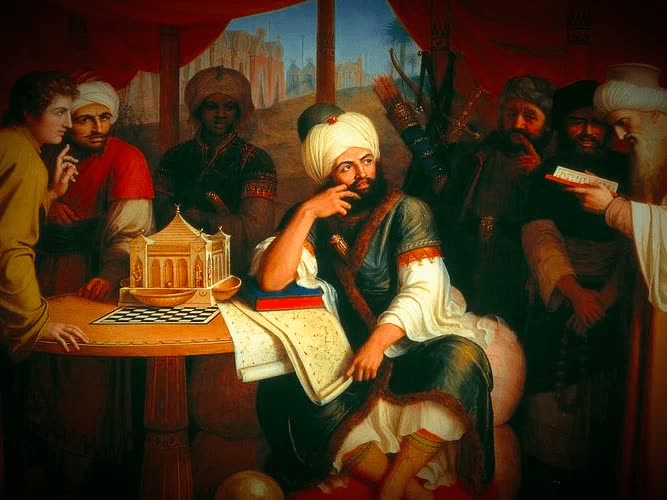
Well, we know that in 1492 Christopher Columbus, sponsored by the Spanish queen, reached the Americas. We know then that the Spanish and Portuguese spread out across South America, defeated the Incas and ruled over all the lands there.
The stories of Cortes burning the ships and Pizarro conquering a Mn+ civilization with fewer than 200 men are enthralling; their abject tortures and war crimes are deplorable. Yet they conquered, and they ruled. And they profited. The feudal systems set up in the Americas were based on pure exploitation and extraction.
Those lands were rich in silver and gold. The Spaniards enslaved the population, forced extraction of the resources and shipped them off to Spain and Portugal. In short, they did oppression.
But the question is, why is oppression bad? Why was what they were doing bad? If you remove morality, you will have to think deeper.
Let’s do it then. The exploitation of South America continued for years and years. Spaniards never bothered moving up to North America; there was no silver, no gold, no vast untapped resources to exploit, and only sparse indigenous populations.
The lands were left untouched until the 17th century, when three ships reached those coasts and Jamestown was founded. The Britishers had arrived.
The Britishers reached the Americas, enchanted by the tales of untapped resources, which could enrich them beyond measure. But there was none. There were beautiful rivers, untapped fertile land, but no gold, no silver.
Credit where credit is due, those Britishers did try to oppress, but the natives were not as centralized as those in South America. Even if enslaved, they just ran away and went off to live in a far-off untapped land. The situation had become so dire that the conquerors, the explorers, started to starve. They realized: there is nothing to exploit, they have to work, and they have to farm.
In the next series of ships, no soldiers were brought in; carpenters, farmers, painters, artisans were brought in. Britishers started to set up their settlements. With no large pool of natives to enslave, they had to work. With abundant lands available all around, deep-seated feudal systems never emerged; the European workers had to be incentivized to work in those lands. An economy started to build up.
All was not the same, though. While the stories I told relate more to the northern colonies, the southern colonies were in a different state. While the northern colonies, owing to the state of their land, predominantly grew wheat, the southern grew cotton.
You see, the southern states had more fertile lands; they could have large-scale plantations of indigo, cotton, tobacco. Those large-scale plantations had owners, and owners brought in the slaves. The Transatlantic Slave Trade, a blot on human history, emerged. Hordes of Africans were loaded up and sent off to work till death in the southern plantations. Owners profited, slaves suffered.
But again, why is oppression bad? Why was what happened in the southern states bad? And similarly, why was what was happening in the northern states (smaller plantations of wheat, filled with mostly non-slave workers) better?
And more precisely, why did America become rich? And why did the North win the Civil War?
Well, the oppression continued. But one thing emerged in the 18th century: scientific advances of Europe started to become popular in America. There was the invention of the steam engine; there was the invention of the cotton mill. Work done by hundreds of manual hands could now be done by a machine. And this machine travelled out to the Americas, and more precisely to Massachusetts, i.e. the northern colonies.
A cotton factory was set up. The production of cotton clothes boomed; the profits led the banks to invest in more factories, and more factories boomed. Workers got paid, workers got rich, richer workers bought more clothes, more factories got set up. The flywheel of progress began.
This compounded, and compounded.
But why did this never happen in the southern states? Not because they were poorer, but actually because they were richer, and more oppressive. With wealth accumulated in just a few owners, and slaves having nothing, there was legit no consumption of goods. With no consumption, there was no demand; no demand led to no factories; no factories, no workers; no workers, no consumption. The flywheel of progress was stopped.
The series of industrialization which propelled the northern states of America to riches never took off in the southern states, and further on in South America, because of the oppression and enslavement of the populations.
With entire populations enslaved, there was no demand. Furthermore, there were more profitable opportunities to just enslave more rather than industrialize, leading to progress being delayed.
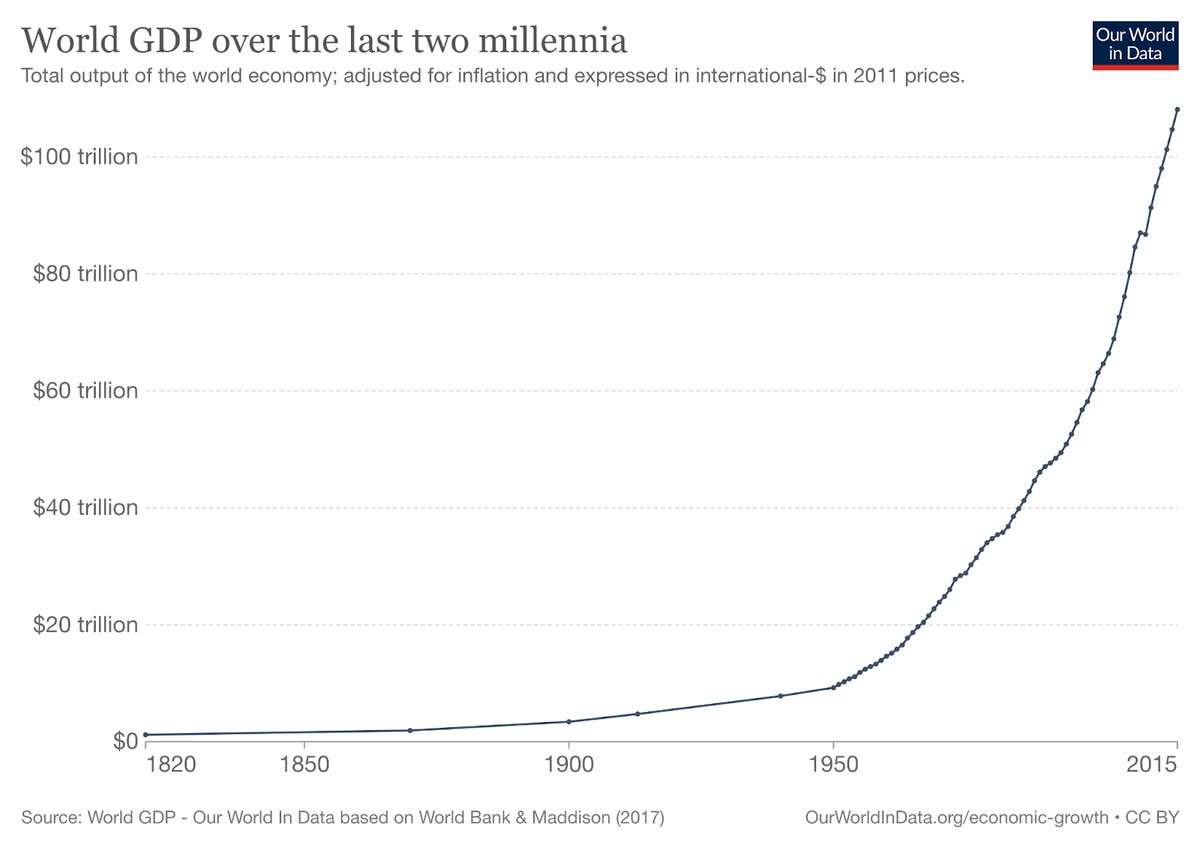
The flywheels of progress which began in Massachusetts never really stopped. Powered by liberal policies, easy financing and abundant lands, the production of American goods never slowed. They grew month-over-month, year-over-year, becoming a superpower.
By the time WW2 had occurred, with America barely starting off as a non-existent military power, they were able to just turn around their factories and become an Arsenal of Democracy. Soon Americans were producing more than the entire rest of the world combined.
This production never stopped and brought prosperity beyond all measure, making them truly the richest nation mankind has ever seen.
As we look now at India, we see a similar history: we lost industrialization, yes, owing to the occupation of foreign powers, but more so because with abundant labour and excessive poverty, there was no need to industrialize. But with no industrial revolution, no progress can emerge.
India needs to have its factories, of everything. We need to build, and we need to build fast.